
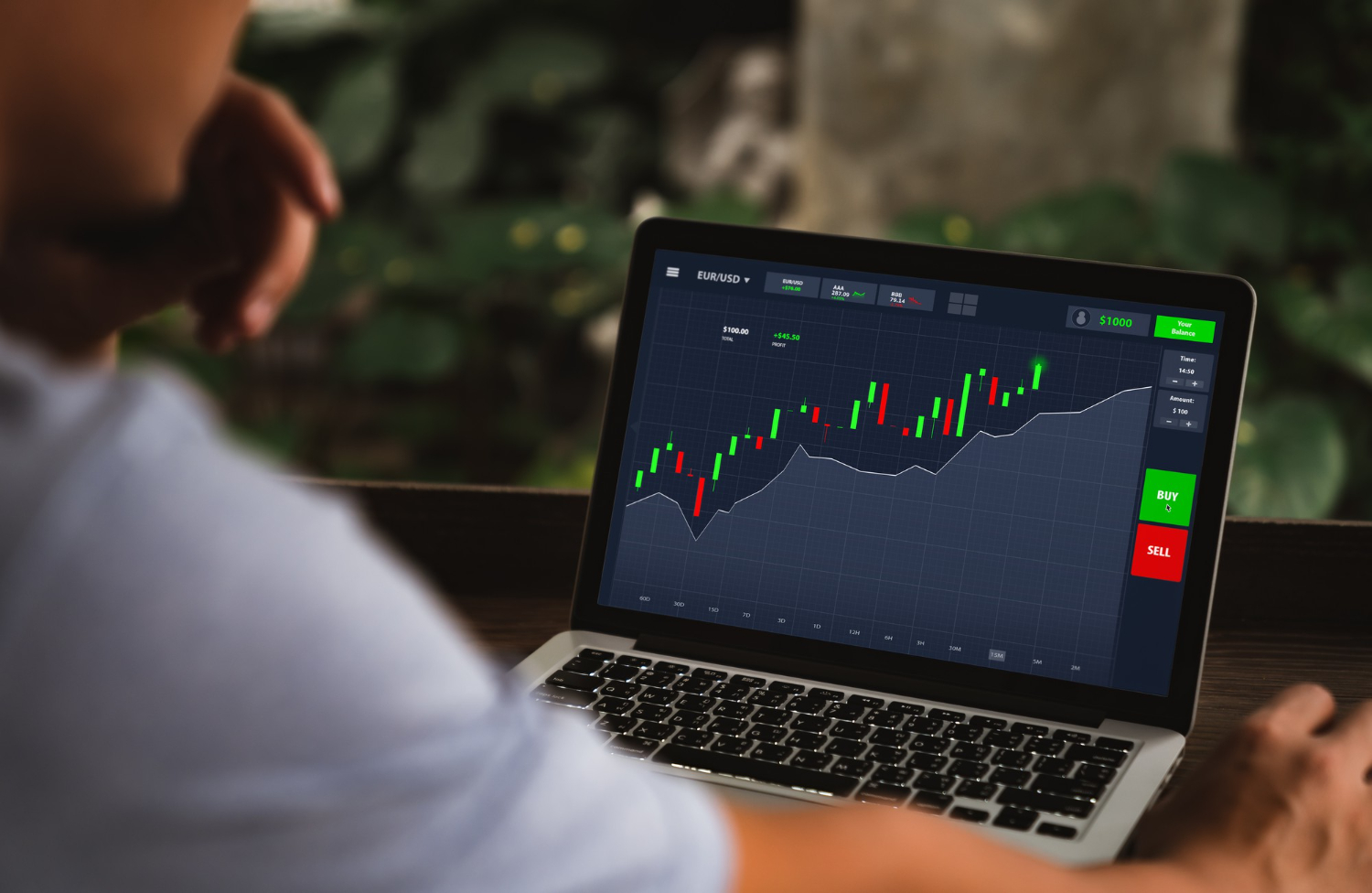
Forex trading presents a world of opportunity, but navigating it safely and legally is crucial, especially for Filipinos eager to dive in. This guide will illuminate the fundamentals of Forex trading, highlight the legal landscape within the Philippines, and help you select a trustworthy broker. By mastering essential strategies and safe trading practices, you can embark on a rewarding journey in the Forex market. Ready to unlock your trading potential? Let’s explore the pathway together.
What is Forex Trading?
Forex trading, or foreign exchange trading, involves the buying and selling of currency pairs, such as EUR/USD, and is conducted over-the-counter through a network of banks and brokers, using trading platforms.
In Forex, trades are executed based on the exchange rate of a currency pair, which reflects the relative value of the two currencies involved. For example, when trading EUR/USD, you are buying euros while simultaneously selling U.S. dollars.
Major currency pairs, such as GBP/USD (British Pound to U.S. Dollar) and USD/JPY (U.S. Dollar to Japanese Yen), are known for their high liquidity and volatility, making them particularly attractive to traders.
To execute trades, platforms like MetaTrader 4 or 5 are commonly used, enabling users to analyze Forex charts and place orders efficiently, which is critical for market analysis and technical analysis.
Benefits of Forex Trading for Filipinos
For Filipinos, Forex trading offers unique investment opportunities, including a low entry barrier with minimum deposits required by many brokers as low as $100, along with access to a global market that operates 24 hours a day.
Traders can utilize popular platforms such as IQ Option or eToro, which provide user-friendly features and educational resources. Additionally, new traders can use demo accounts to test various strategies without the risk of losing money.
The growing Forex trading community in the Philippines fosters collaboration through local online forums and trading groups, which are beneficial for knowledge sharing and support, promoting financial literacy.
Understanding the Legal Framework
Filipino traders must adhere to the legal framework governing Forex trading to ensure safe and compliant practices.
Regulatory Bodies in the Philippines
The primary regulatory body overseeing Forex trading in the Philippines is the Securities and Exchange Commission (SEC). The SEC is responsible for ensuring compliance and protecting traders against fraud.
Along with the SEC, the Bangko Sentral ng Pilipinas (BSP) plays a significant role by regulating national monetary policy and maintaining the stability of the financial system. The SEC focuses on enforcing laws related to securities and, by extension, supervises Forex brokers to ensure they adhere to proper operating standards.
Traders are encouraged to verify the registration of brokers with the SEC and to report any suspicious practices without hesitation. The efforts of these agencies contribute to a safer trading environment, fostering investor confidence in the country’s growing Forex market.
Legal Requirements for Forex Trading
To legally trade Forex in the Philippines, traders must register with accredited brokers and fulfill their tax obligations. Record keeping is essential, as traders need to maintain accurate records of their trades. This practice is important for determining tax obligations, since any profits earned by Forex traders are subject to capital gains tax.
Traders may also obtain a certificate from the Bureau of Internal Revenue (BIR), the agency responsible for tax collection in the Philippines, as proof of tax compliance with government requirements.
Additionally, individuals must register with a broker licensed by the Securities and Exchange Commission (SEC) in order to trade Forex legally in the country. It is crucial to choose a broker that offers a safe trading environment and provides the necessary leverage. Moreover, selecting brokers that offer access to market research tools can be beneficial.
Finally, since Forex laws can change, it is important for traders to regularly review updates on regulations to ensure continued compliance.
Choosing a Reliable Forex Broker
Selecting a reputable Forex broker is essential for successful trading, as the right broker can significantly influence your trading experience and overall profitability through effective trading strategies.
Key Factors to Consider
When evaluating Forex brokers, the most important criteria to consider include the spread, commission fees, leverage options, and the availability of trading tools, market analysis tools, and educational resources.
It is crucial to verify the regulatory compliance of Forex brokers, ensuring that they are regulated and licensed by a recognized authority. Additionally, assess the user interface of the trading platform for ease of navigation and responsiveness.
Popular platforms like MetaTrader 4 and TradingView are widely used and offer comprehensive tools and features. Be sure to check the customer support options, with 24/5 chat support being a favorable choice.
Furthermore, it’s essential to review withdrawal and deposit fees, as these can significantly impact profitability. By carefully analyzing these criteria, traders can select a broker that aligns well with their trading strategy.
How to Verify Broker Legitimacy
To determine whether a Forex broker is legitimate or a scam, you can start by visiting the SEC website to check their registration status. Additionally, you should read consumer reviews on independent review sites like ForexPeaceArmy and look for regulatory licensing from recognized organizations such as the NFA in the United States or the FCA in the United Kingdom.
- Verify Regulatory Status: Always begin by verifying if the broker is regulated by a recognized financial authority, such as the NFA or FCA. The SEC website will provide information about the broker’s registration and regulatory authority, allowing you to confirm their status with the appropriate financial regulatory body. Many Forex brokers are regulated outside the United States, so you may also want to check with other governmental regulatory agencies, such as the UK’s Financial Conduct Authority (FCA) or the Cayman Islands Monetary Authority (CIMA). Another essential aspect of verification is determining whether the broker is a Market Maker, which buys and sells against its clients, or an ECN broker, which acts as a middleman between buyers and sellers. Many regulated brokers operate as ECNs.
- User Feedback: After verifying the regulatory status, the next crucial step in assessing the legitimacy of a Forex broker is to gather user feedback. Search for reviews of the broker on social media platforms, Forex forums, and dedicated review sites. ForexPeaceArmy is one of the most recognized independent review sites covering Forex brokers. The advantage of using independent review sites is that they curate reviews, allowing you to filter and sort them for a clearer understanding of customer experiences. However, be cautious, as these sites may contain fake reviews and may not always provide a comprehensive picture of the broker. Customer feedback can also be found on social media forums such as Facebook, Twitter, or Instagram, where complaints may be posted unfiltered, leading to varied reliability. Additionally, Forex brokers may have their own forums where users share feedback, and community-focused platforms like Myfxbook can offer valuable performance insights by independently tracking traders’ accounts.
- Check Operational History: The third critical factor in assessing the legitimacy of a Forex broker is checking their operational history. Consider how long they have been in business and whether there are any major complaints against them. For instance, the CFTC’s National Futures Association (NFA) mandates that all Forex brokers operating in the USA must have been in business for at least five years. You can check for any major complaints against a broker on the independent review sites mentioned earlier, as well as on the Consumer Complaint Database of the Better Business Bureau (BBB).
Conclusion: By verifying regulatory status, gathering user feedback, and checking operational history, you can effectively determine whether a Forex broker is legitimate or a scam.
Setting Up Your Trading Account
Opening a trading account is a straightforward process that involves selecting the type of account you need and submitting the necessary documents.
Types of Trading Accounts
Forex brokers typically offer a variety of trading accounts, including demo accounts for practice, standard accounts for everyday trading, and ECN accounts designed for advanced traders seeking tighter spreads.
Standard accounts generally require a minimum deposit of around $100 and offer spreads starting at 1.5 pips. Demo accounts are particularly beneficial for beginner traders, as they allow users to trade with virtual funds and safely practice their trading strategies.
Standard accounts are the most popular among retail Forex traders and are widely utilized. In contrast, ECN accounts are best suited for experienced and professional traders. These accounts are known for their lower spreads, which can be as low as 0.1 pips, but they typically require minimum deposits of $1,000 or more, reflecting their suitability for high-volume trading.
An important aspect of the differences among account types lies in the varying trading conditions, such as leverage options and commission structures. Understanding how to leverage these differences can help traders optimize their trading strategies.
Required Documentation
To set up a Forex trading account and begin your journey in the foreign exchange market, you will need to provide identity verification documents, such as a government-issued ID and proof of address, to comply with KYC regulations.
Along with these documents, some brokers may require a recent bank statement or utility bill that displays your name and address. This step is crucial for ensuring security, preventing fraud, and adhering to legal trading practices. It is important to ensure that all documents are current and clearly legible to avoid any delays.
Most brokers offer a straightforward upload process for these documents, typically accessible in the secure sections of their websites and mobile apps. This feature allows for faster verification and a smoother account creation experience.
Developing a Comprehensive Forex Trading Strategy
A solid trading strategy is essential for success in Forex, as it integrates both technical and fundamental analysis to effectively navigate price volatility and leverage trading signals for better decision-making.
Technical Indicators vs. Fundamental Economic Indicators Analysis
Technical analysis primarily focuses on price movements, candlestick patterns, and chart patterns, whereas fundamental analysis examines economic indicators and Forex news events to forecast currency movements.
Technical analysts typically utilize indicators such as:
- Moving Averages
- The Relative Strength Index (RSI)
- Fibonacci Retracements
to identify trends and potential reversal points. For instance, a trader may decide to buy when the price crosses above the 50-day Moving Average or sell when the RSI indicates overbought conditions. Incorporating Forex trading psychology and risk assessment can further refine these strategies.
On the other hand, fundamental analysts evaluate reports such as GDP growth rates, employment figures, and geopolitical events. They may analyze how an interest rate hike could strengthen a currency, often employing tools like economic calendars and Forex analysis tools to track upcoming announcements and Forex market hours.
Both approaches can complement each other, contributing to a more holistic trading strategy.
Risk Management Techniques and Trading Psychology
Implementing risk management techniques, such as stop-loss orders, take-profit orders, and position size calculations, is essential for safeguarding against unnecessary losses in trading capital and ensuring safe investments.
First, you should determine your percentage risk tolerance for each trade; experts recommend a range of 1-2% of your total capital as a good starting point.
Tools like TradingView enable you to backtest your strategies, allowing you to assess the overall impact of different risk parameters on your trading performance. Regularly reviewing your trades, often documented in trading journals, can help you identify trends and refine your strategies.
Maintaining a trading journal can be particularly beneficial, as it allows you to pinpoint which strategies yield consistent results and which may require adjustments. These steps not only help protect against losses but also significantly enhance your trading discipline over time.
Practicing Safe Trading Habits
Establishing safe Forex trading habits is crucial for the long-term success of trading, as it enables traders to make informed decisions and manage their risks more effectively.
Utilizing Demo Accounts for Trading Education
Demo accounts enable traders to practice their strategies without the risk of losing real money, providing a safe environment to learn, refine their trading skills, and explore retail trading opportunities.
These accounts typically include features such as virtual funds, which allow users to experiment with different positions without any financial risk.
Popular platforms like MetaTrader and ThinkorSwim offer demo accounts that replicate live market conditions, delivering a realistic trading experience.
By utilizing these tools, traders can develop and test strategies, thereby enhancing their decision-making abilities. The opportunity to practice in a stress-free environment helps build confidence, making the transition to live trading smoother and more effective.
Staying Informed and Educated with Forex Resources
Continuous learning and staying updated on market trends are essential for Forex traders. Utilizing Forex resources such as webinars, trading forums, Forex seminars, and news platforms can significantly enhance your trading knowledge.
Consider specific platforms like:
- Investopedia for foundational concepts,
- DailyFX for live market news and expert analysis,
- TradingView for interactive charts and community insights.
Joining forums like Forex Factory or BabyPips can also provide invaluable peer support and real-time tips, fostering a robust Forex community. Enrolling in courses on platforms such as Coursera or Udemy can deepen your understanding of complex trading strategies and cultivate trading ethics and discipline.
By dedicating time each week to these resources, you will be better equipped to make informed trading decisions.
Continuous Learning and Adaptation with Forex Trading Courses
To achieve success in Forex trading, it is essential to continuously update strategies and expand knowledge through market analysis, mentorship, trading webinars, and financial education courses.
Successful traders often enroll in online Forex trading courses offered by platforms like Coursera or Udemy to enhance their skills in advanced technical analysis. They actively participate in trading communities on forums and social media, where they can share insights and learn from one another’s experiences, contributing to their Forex trading success.
Additionally, they join trading mentorship programs that provide personalized guidance to help refine their techniques. Traders regularly review their trades to identify patterns, weaknesses, and use Forex trading tips, allowing them to adapt their strategies to changing market conditions.
This commitment to ongoing learning is a key factor in achieving long-term success in Forex trading.
Conclusion
For Filipino traders looking to enter the world of Forex, trading Forex offers exciting opportunities when approached with knowledge and caution. By understanding the legal framework, choosing reputable brokers, and developing sound trading strategies, you can navigate the Forex market safely and effectively. Remember to start with a demo account, prioritize risk management, and commit to continuous learning through educational resources and trading communities.
The Forex market presents a pathway to financial growth, but success comes from disciplined and informed trading. Whether you’re just beginning or looking to refine your skills, the right approach can make all the difference. Ready to take the next step? Start your Forex trading journey today and unlock your potential in the global markets!